Zhangjiajie Avatar Mountains: Complete Travel Guide 2026
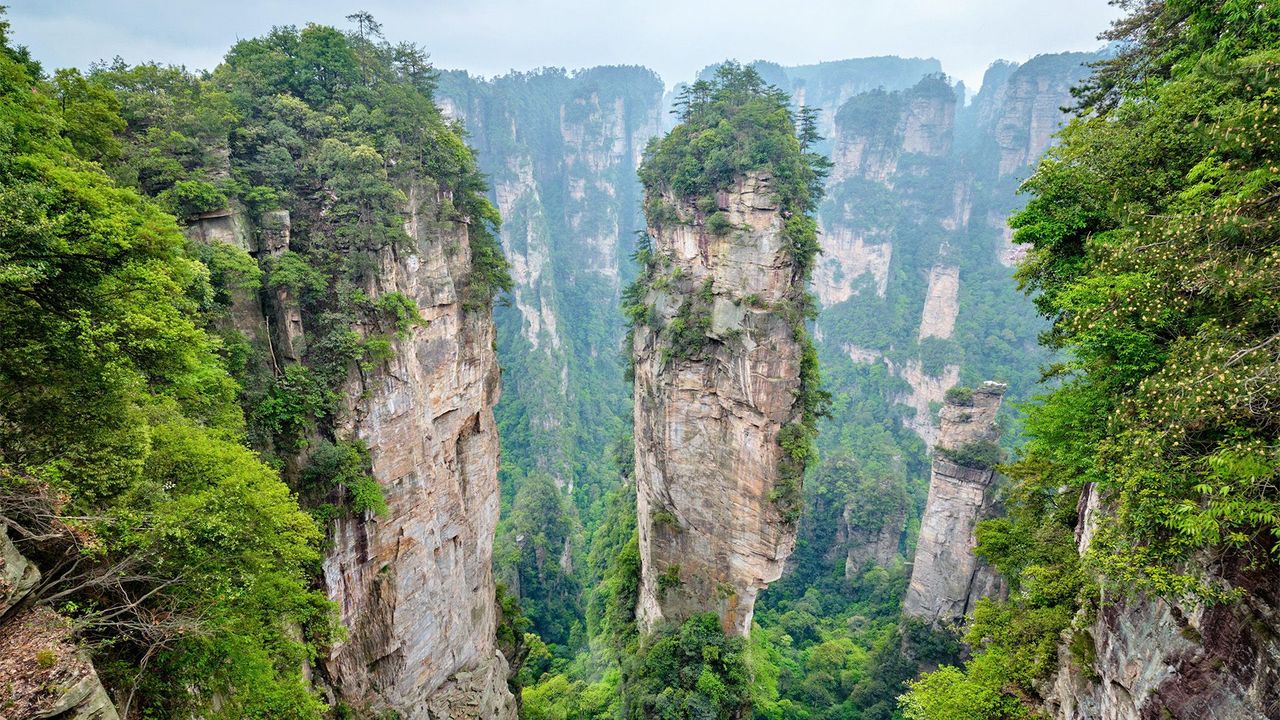
Zhangjiajie National Forest Park in Hunan Province showcases some of Earth's most surreal landscapes—thousands of sandstone pillars rising vertically from misty valleys, creating a scene so otherworldly that James Cameron used it as inspiration for the floating Hallelujah Mountains in his blockbuster film "Avatar." Since the movie's release, Zhangjiajie has transformed from a relatively unknown Chinese destination into an international phenomenon, yet it retains an air of mystery and natural wonder that captivates every visitor. This comprehensive guide will help you navigate Zhangjiajie's spectacular scenery, practical logistics, and hidden corners in 2026.
Why Zhangjiajie Captivates Travelers
Zhangjiajie National Forest Park, established in 1982 as China's first national park, forms part of the Wulingyuan Scenic Area—a UNESCO World Heritage Site encompassing over 264 square kilometers of dramatic karst topography. The park features more than 3,000 sandstone pillars, some reaching heights of over 200 meters, created by millions of years of erosion that carved away softer rock while leaving harder sandstone columns standing like stone sentinels.
What makes Zhangjiajie truly special isn't just the geological formations—it's the atmosphere. Morning mist frequently fills the valleys, obscuring the bases of the pillars and creating the illusion that the peaks float in mid-air. This phenomenon, combined with lush vegetation covering every surface, creates scenes that seem more fantasy than reality. It's no wonder Cameron's team spent time here researching locations for Pandora.
The park's fame has grown exponentially since "Avatar's" release, yet Zhangjiajie remains remarkably unspoiled. Strict development regulations protect the landscape, and the park's vast size means that even during peak seasons, you can find quiet trails and breathtaking viewpoints away from the crowds.
Understanding Zhangjiajie's Geography
Zhangjiajie can be confusing for first-time visitors because the name refers to both the city and the national park. Here's what you need to know:
Zhangjiajie City: The urban area with hotels, restaurants, and transportation hubs. Most visitors base themselves here or in Wulingyuan village.
Zhangjiajie National Forest Park: The main attraction, featuring the famous sandstone pillars. This is where you'll spend most of your time.
Tianmen Mountain: A separate scenic area closer to Zhangjiajie city, famous for its glass walkway and Tianmen Cave.
Zhangjiajie Grand Canyon Glass Bridge: Another separate attraction featuring the world's longest and highest glass-bottom bridge.
Wulingyuan: A village at the park's east entrance, offering convenient access to the park and a range of accommodation options.
Zhangjiajie National Forest Park: The Main Attraction
The national park divides into several distinct areas, each offering unique perspectives on the sandstone pillars:
Yuanjiajie Scenic Area
This area features the park's most famous viewpoint—the Avatar Hallelujah Mountain, a towering pillar that inspired the floating mountains in Cameron's film. In 2010, local authorities officially renamed the "Southern Sky Column" to "Avatar Hallelujah Mountain" to capitalize on the film's popularity.
Key Viewpoints:
- Avatar Hallelujah Mountain Platform: The money shot—this viewpoint offers the classic perspective of the renamed pillar rising from the mist
- The First Bridge Under Heaven: A natural stone bridge spanning two peaks, 40 meters long and 357 meters above the valley floor
- Enchanting Terrace: Panoramic views across countless pillars stretching to the horizon
How to Access: Take the Bailong Elevator (see below) from the valley floor, or hike up via the challenging Chaotianmen Trail (2-3 hours).
Tianzi Mountain
Named after a local peasant leader who rebelled against the Ming dynasty, Tianzi Mountain offers the park's highest viewpoints and most expansive vistas. On clear days, you can see across the entire park.
Highlights:
- Helong Park: Features a bronze statue of Marshal He Long and spectacular viewing platforms
- Imperial Brush Peaks: A cluster of pillars said to resemble brushes standing upright
- Fairy Maiden Offering Flowers: A pillar formation resembling a woman holding flowers
Access: Cable car from Tianzi Mountain village, or hiking trails connecting from Yuanjiajie.
Golden Whip Stream
This 7.5-kilometer valley trail follows a crystal-clear stream through towering pillars, offering a completely different perspective from the mountain-top viewpoints. Unlike the elevated platforms, here you're surrounded by the formations, looking up at their imposing heights.
Why Walk It:
- Relatively flat and easy (suitable for most fitness levels)
- Shaded by vegetation (cooler in summer)
- Fewer crowds than the main viewpoints
- Opportunities to see wildlife, including macaques
- Beautiful reflections in the stream
Tips:
- Allow 2.5-3 hours for the full trail
- Start early to avoid crowds and heat
- Bring water and snacks (limited vendors along the route)
- Watch for macaques—don't feed them or show food
Yangjiajie Scenic Area
Less crowded than Yuanjiajie but equally spectacular, Yangjiajie features dramatic cliff-edge viewpoints and the famous "Natural Great Wall"—a ridge of peaks forming a natural defensive line.
Key Sights:
- Wulong Village: Ancient fortification ruins with excellent views
- One Step to Heaven: A narrow natural bridge requiring a literal step across a gap
- Natural Great Wall: A kilometer-long ridge of connected peaks
Access: Less accessible than other areas, requiring either a long hike or shuttle bus from Yuanjiajie.
The Bailong Elevator: Engineering Marvel or Eyesore?
The Bailong Elevator (百龙电梯, "Hundred Dragons Elevator") remains one of Zhangjiajie's most controversial features. This glass elevator, built into a cliff face, rises 326 meters in less than two minutes, carrying visitors from the valley floor to Yuanjiajie's viewing platforms.
Controversy: Environmentalists and purists argue the elevator mars the natural landscape. Pragmatists counter that it reduces trail erosion by decreasing foot traffic and makes the park accessible to elderly and disabled visitors who couldn't manage the steep hikes.
Practical Reality: The elevator is incredibly convenient, saving 2-3 hours of steep climbing. During peak season, expect queues of 1-2 hours. The ride itself offers dramatic views through the glass walls.
Alternatives: If you prefer to avoid the elevator, several hiking trails connect the valley to the upper platforms. The most popular is the Chaotianmen Trail—challenging but rewarding.
Tianmen Mountain: Glass Walkways and Heaven's Gate
Located closer to Zhangjiajie city than the national park, Tianmen Mountain offers different but equally impressive attractions:
Tianmen Cave (Heaven's Gate)
A massive natural arch in the mountain face, this 131-meter-high opening has become an iconic symbol of Zhangjiajie. Reaching it requires climbing 999 steps (representing the nine palaces of heaven in Chinese mythology) or taking a shuttle bus through a winding mountain road featuring 99 hairpin turns.
Glass Walkways
Tianmen Mountain features several glass walkways bolted to cliff faces, allowing visitors to walk along transparent platforms suspended hundreds of meters above the valley. Not for the acrophobic, but the adrenaline rush and views are unforgettable.
Tips:
- Shoe covers are mandatory (provided at entrance)
- Expect crowds at peak times
- Photography is encouraged but watch your step
- Several sections available; the Coiled Dragon Cliff walkway is the most dramatic
World's Longest Cable Car
The Tianmen Mountain cable car stretches 7.5 kilometers from Zhangjiajie city to the mountain summit, climbing over 1,200 meters. The 30-minute ride offers constantly changing perspectives of the city, farmland, and mountain scenery.
Zhangjiajie Grand Canyon Glass Bridge
Opened in 2016, this engineering marvel holds multiple world records as the world's longest and highest glass-bottom bridge. Spanning 430 meters across a canyon 300 meters deep, the bridge offers thrilling views straight down to the canyon floor.
What to Expect:
- Mandatory shoe covers
- Strict visitor limits (book in advance)
- No bags or sharp objects allowed
- Bungee jumping available from the bridge (for the truly adventurous)
Is It Worth It?: If you're interested in modern engineering and don't mind crowds, yes. If you're primarily interested in natural scenery, the national park should be your priority.
Practical Planning Information
How Long to Stay
Minimum: 2 full days allows you to see the national park's highlights Recommended: 3 days provides a more relaxed pace and time for Tianmen Mountain Ideal: 4-5 days lets you explore quieter trails and avoid rushing
Best Time to Visit
Spring (April-May): Comfortable temperatures, blooming flowers, frequent mist creating "floating mountain" effects. Can be rainy.
Summer (June-August): Peak season with crowds and heat, but lush green vegetation. Afternoon thunderstorms common.
Autumn (September-October): Ideal weather, clear skies, autumn colors. Most popular season (book accommodation early).
Winter (November-March): Fewer crowds, occasional snow creating magical scenes. Some facilities may be closed. Cold temperatures but dramatic ice formations.
Mist and Weather: The iconic "floating mountain" effect requires mist, most common in early morning during spring and autumn. However, mist also obscures views, so there's a trade-off. Check weather forecasts and be flexible with your schedule if possible.
Where to Stay
Wulingyuan Village: Most convenient for the national park, with numerous hotels and restaurants. Walk to the park entrance in 10-15 minutes.
Zhangjiajie City: More hotel options and better restaurants, but requires 40-minute bus ride to the park. Better for combining with Tianmen Mountain visits.
Inside the Park: A few hotels exist within the park boundaries, offering the advantage of early morning access before day-trippers arrive. Limited options and must be booked well in advance.
Getting There
By Air: Zhangjiajie Hehua Airport receives flights from major Chinese cities including Beijing, Shanghai, Guangzhou, and Chengdu. Airport to city center takes 30-40 minutes by taxi or bus.
By Train: High-speed rail connects Zhangjiajie to Changsha (3 hours), from where you can connect to most major Chinese cities. The train station is in Zhangjiajie city.
By Bus: Long-distance buses connect Zhangjiajie to surrounding cities, but trains are generally more comfortable and reliable.
Getting Around
Park Shuttle Buses: Included with park admission, these buses connect different scenic areas. Frequent service but can be crowded during peak times.
Cable Cars and Elevators: Additional fees apply for the Bailong Elevator, Tianzi Mountain cable car, and Huangshizhai cable car. Consider purchasing a combined ticket if planning to use multiple lifts.
Walking: Many areas are walkable, and hiking between viewpoints offers perspectives you'll miss if you only use transportation.
Costs
National Park Admission: 225 RMB (approximately $31 USD) for a 4-day pass Bailong Elevator: 72 RMB one-way Cable Cars: 65-72 RMB one-way Tianmen Mountain: 278 RMB including cable car Glass Bridge: 138 RMB
Money-Saving Tip: The 4-day park pass allows multiple entries, so you can exit for lunch or rest and return without paying again.
Photography Tips
Zhangjiajie is a photographer's paradise, but capturing its essence requires some strategy:
Best Times: Early morning (6:00-8:00 AM) and late afternoon (4:00-6:00 PM) offer the best light and most dramatic mist effects.
Equipment: A wide-angle lens captures the scale of the landscape. A telephoto lens helps isolate individual pillars. Bring a tripod for low-light conditions.
Locations:
- Avatar Hallelujah Mountain platform (iconic shot)
- Golden Whip Stream (reflections)
- Tianzi Mountain viewing platforms (panoramic vistas)
- Yangjiajie (fewer people in your shots)
Weather: Don't avoid misty or rainy conditions—these create the most atmospheric images. Protect your gear but embrace the mood.
Avoiding Crowds
Zhangjiajie attracts millions of visitors annually, but you can minimize crowd encounters:
Visit Off-Season: November-March sees far fewer visitors Weekdays Over Weekends: Especially avoid Chinese public holidays Early Mornings: Enter the park at opening time (7:00 AM in summer, 7:30 AM in winter) Explore Lesser-Known Areas: Yangjiajie and certain Golden Whip Stream sections see fewer visitors Stay Inside the Park: Accommodation within park boundaries allows early morning access before day-trippers arrive
What to Bring
Essential:
- Comfortable walking shoes with good grip (trails can be slippery)
- Water bottle (refill stations available)
- Rain jacket or poncho (weather changes quickly)
- Sunscreen and hat
- Cash (many vendors don't accept mobile payments)
- Power bank (phone batteries drain quickly with photos and navigation)
Recommended:
- Hiking poles (helpful on steep sections)
- Snacks (park food is expensive and limited)
- Layers (temperature varies with elevation)
- Small backpack
- Camera with extra batteries
Sample Itineraries
2-Day Zhangjiajie Highlights:
- Day 1: Golden Whip Stream (morning), Bailong Elevator to Yuanjiajie, Avatar Hallelujah Mountain, First Bridge Under Heaven
- Day 2: Tianzi Mountain (morning), Yangjiajie (afternoon)
3-Day Comprehensive Visit:
- Day 1: Golden Whip Stream, Yuanjiajie scenic area
- Day 2: Tianzi Mountain, Yangjiajie
- Day 3: Tianmen Mountain (cable car, glass walkway, Tianmen Cave)
4-Day Relaxed Exploration:
- Day 1: Golden Whip Stream, easy acclimatization
- Day 2: Yuanjiajie, Avatar Hallelujah Mountain
- Day 3: Tianzi Mountain, explore at leisure
- Day 4: Tianmen Mountain OR Grand Canyon Glass Bridge
Beyond the Park: Local Culture
While Zhangjiajie's natural scenery dominates, the region has rich cultural heritage:
Tujia and Miao Minorities: The area is home to ethnic minorities with distinct traditions, architecture, and festivals. Some villages offer cultural performances and homestays.
Local Cuisine: Try Tujia-style dishes like smoked pork, wild mushrooms, and spicy fish hotpot. Wulingyuan village has numerous restaurants serving local specialties.
Fenghuang Ancient Town: A 4-hour bus ride from Zhangjiajie, this beautifully preserved riverside town makes an excellent extension to your trip, offering traditional architecture and minority culture.
Start Your Zhangjiajie Adventure
Zhangjiajie offers landscapes unlike anywhere else on Earth—a place where nature's creativity surpasses human imagination. Whether you're standing on a glass walkway suspended above a canyon, watching mist swirl around ancient stone pillars, or hiking through valleys where every turn reveals new wonders, Zhangjiajie creates memories that last a lifetime.
At BetterChinaTrip, we design Zhangjiajie itineraries that balance famous viewpoints with hidden trails, helping you experience both the iconic scenes and the quieter moments of wonder. Our guides know the best times to visit each location, the trails that avoid crowds, and the viewpoints where photographers capture magic. We offer tours in English, Spanish, and Portuguese, with 24-hour WhatsApp support. Contact us to start planning your Zhangjiajie adventure.
About the Author: This guide was written by BetterChinaTrip's Zhangjiajie specialists, combining extensive local knowledge with years of experience helping travelers navigate this extraordinary landscape.
Last Updated: February 2026
References:
- BBC Travel - Zhangjiajie: China's otherworldly mountains that inspired Avatar
- China Discovery - Avatar Mountains, How to Visit Zhangjiajie Avatar, China
- Klook - Zhangjiajie Itinerary: 3-Day Guide to Avatar Mountains
- Lauren's Lighthouse - Ultimate Guide to Visiting China's Zhangjiajie National Forest Park


